Buying Christmas lights used to be simple: pick a box, plug it in, and hope the colors match the tree. Today the shelf is full of choices – LED and incandescent, warm white and cool white, indoor and outdoor ratings, and string lengths that range from a few feet to hundreds. The good news is that the decision becomes much easier once you know what each spec actually means. This guide walks through the points that matter most, so the lights you choose look right, last longer, and stay safe all season.
LED vs Incandescent: Which Technology Fits Your Display?
The first question is usually about bulb type, and the answer affects everything else.
Incandescent Christmas lights produce the classic warm glow many people remember from childhood. They are inexpensive, and their light is flattering in photos. However, they run hot, use noticeably more electricity, and individual bulbs tend to fail, which can darken an entire string.
LED Christmas lights have become the standard for most new installations. They run cool, consume a fraction of the power, and can last for many seasons. Early LEDs sometimes had a harsh, bluish cast, but modern warm-white LEDs are difficult to tell apart from incandescent bulbs at normal viewing distance. If you plan to leave lights on for hours every evening, LED is almost always the more sensible choice.
Warm White vs Cool White: Color Temperature Matters
Color temperature is measured in Kelvins, and it is the single biggest factor in how your display feels:
- Warm white (around 2700K): a soft, golden tone that matches candlelight and traditional bulbs. It suits cozy interiors and outdoor displays with warm accents.
- Cool white (around 4000-6500K): a crisp, daylight-like tone that looks bright and modern. It pairs well with snow themes and contemporary architecture, but can feel clinical indoors.
- Multi-color: best chosen as LED, since color mixing is more consistent and dimming behavior is better.
Indoor vs Outdoor: What the Spec Sheet Tells You
Outdoor Christmas lights must tolerate rain, frost, and temperature swings. Check the IP (Ingress Protection) rating: an IP44 rating is the usual minimum for outdoor use, while higher ratings such as IP65 offer stronger protection against water and dust. Indoor sets do not need the same level of protection, and using them outdoors can create a safety risk.
Wiring quality matters too. Look for thick, flexible cable with molded plugs and fuses built into the connector – a small detail that prevents many seasonal frustrations.
Plan Your String Length and Power Load
Before buying, measure the areas you want to cover: roofline, porch railing, tree, or mantel. A common mistake is underestimating how much length is needed; a good rule is to buy about a third more than your measurement to allow for draping and spacing.
LED strings are limited by the number of lights per circuit rather than wattage in most cases. Even so, check the box for the maximum number of strings you can connect end to end. Never exceed it, and keep the connections away from standing water.
Matching Christmas Lights with Your Interior Lighting
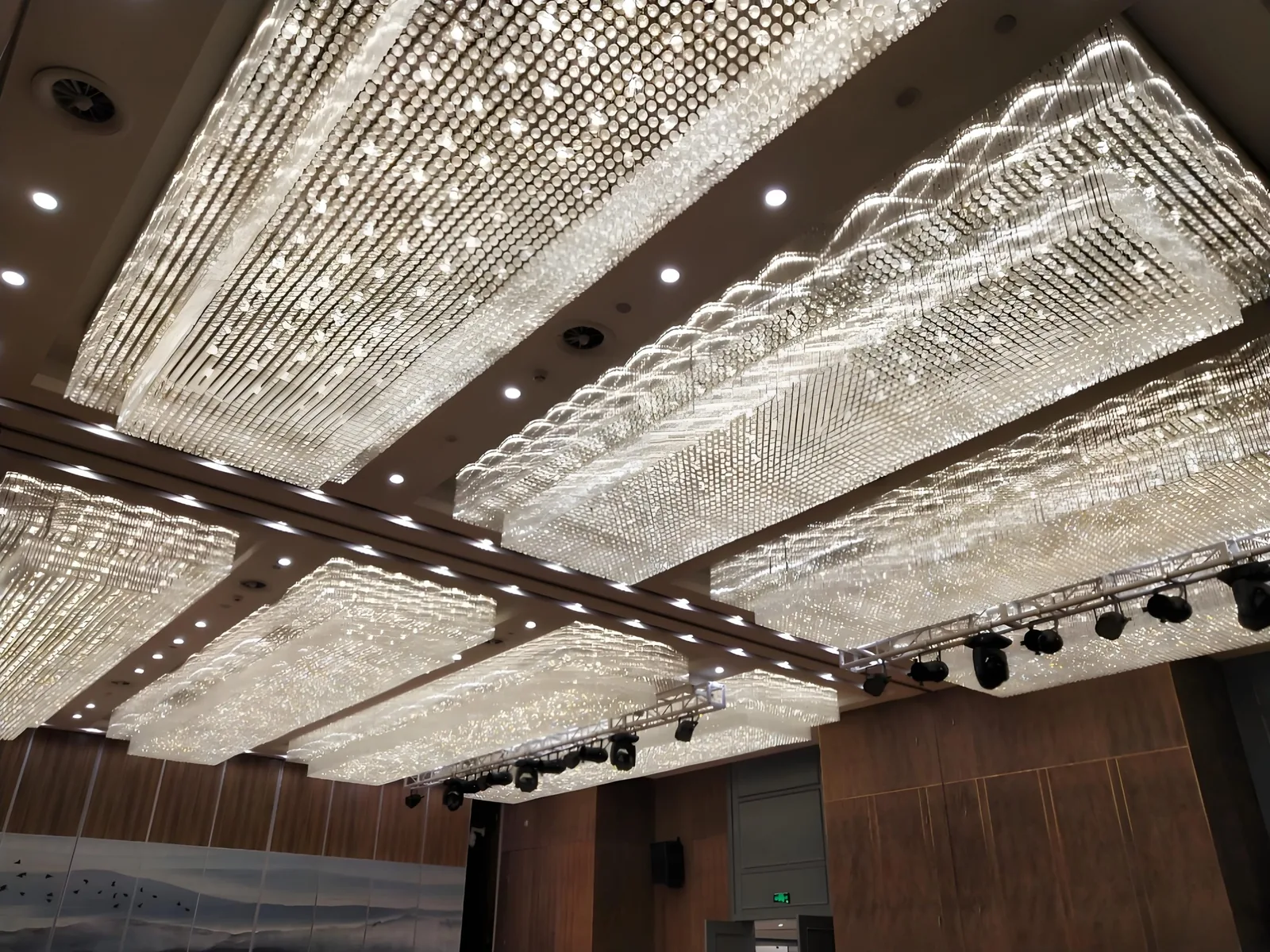
Christmas lights work best when they complement the lighting you already have. In a living room lit by a crystal chandelier, warm-white string lights echo the sparkle of the crystals instead of competing with them. Around a kitchen island, a row of fairy lights can pick up the warm tones of a pendant light hanging above. The trick is to keep the color temperature similar across the room; mixing a cool-white tree with warm wall sconces is the fastest way to make a display feel disconnected.
Final Checklist
- Choose LED for efficiency and longevity, especially for long-running displays.
- Pick the color temperature that matches your space – warm white is the safest bet for cozy interiors.
- Confirm the IP rating when the lights will sit outdoors.
- Measure first, then buy about a third more length than you think you need.
- Check the maximum connectable strings and respect the limit.
With these basics in hand, choosing Christmas lights becomes a quick, confident decision – and the result is a display that looks intentional from the first evening you switch it on. If you are buying for a retail display or a larger installation, suppliers like Panjixin Lighting can help match quantities and specifications to your project.
Related Products and Categories
Related product pages for this guide:
- wholesale Christmas lights – LED sets, motifs and commercial displays
- holiday light displays – seasonal sets for retail and commercial buyers
- Christmas tree lights – colour temperatures and set lengths for large trees