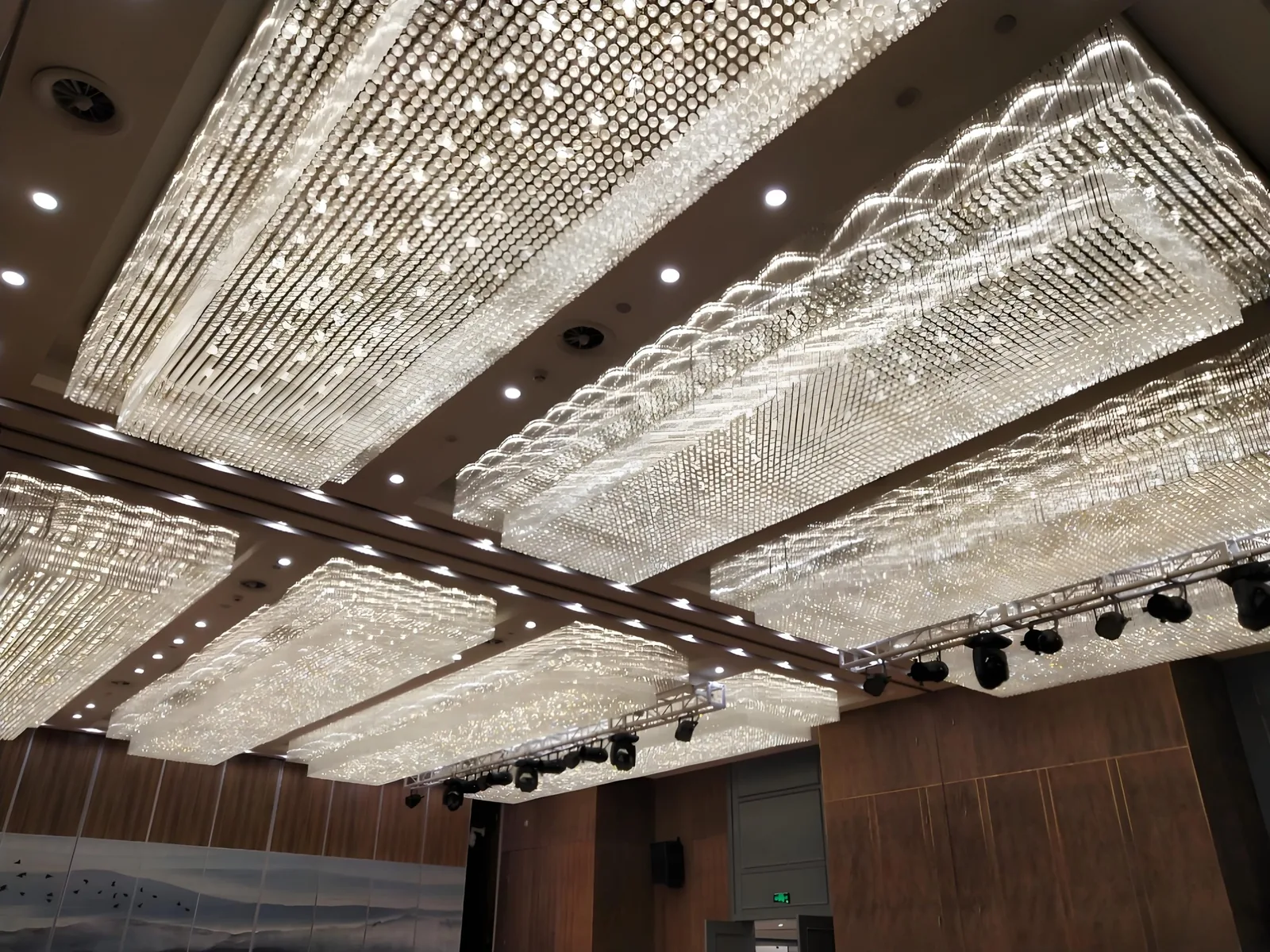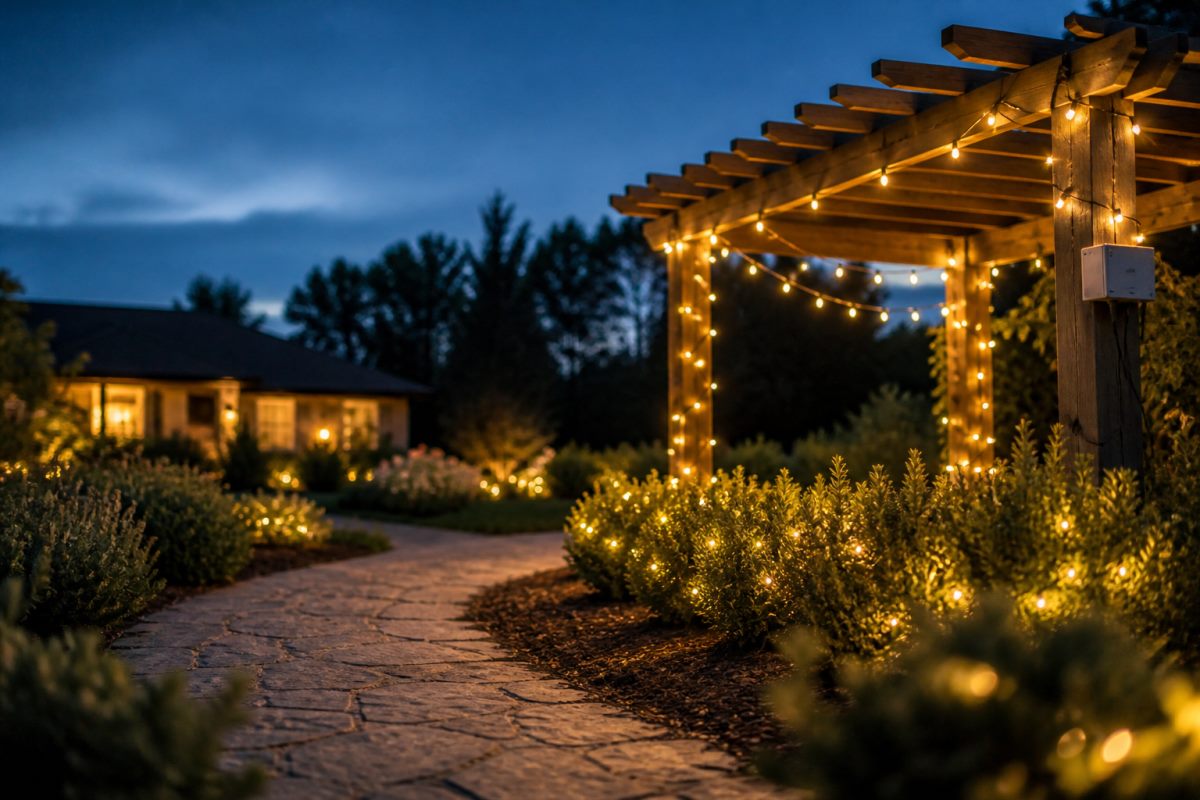
Anyone comparing outdoor lighting specifications eventually meets the same two letters and two digits: IP44, IP65, IP67. The label looks technical, but the idea behind it is straightforward, and once you understand how the code is built you can tell at a glance whether a light belongs under a covered porch or in an open garden bed. This guide explains what the digits mean, which rating suits which installation, and what to confirm with a supplier before you place a wholesale order.
What an IP Rating Actually Tells You
IP stands for Ingress Protection. The code that follows it has two digits, and each digit answers a different question. The first digit describes how well the housing keeps out solid objects such as fingers, tools, and dust. The second digit describes how well it keeps out water, from splashes through to immersion. A light rated IP65, for example, is dust protected and resistant to water jets, while IP44 resists only solid objects above 1 mm and splashes from any direction.
Two practical consequences follow from that structure. First, a high water digit does not compensate for a low solid digit, and the reverse is also true. Second, the rating describes the fixture housing as it was tested. It says nothing about the cable joint, the connector, or the power adapter that feeds it.
Reading the First Digit: Solids and Dust
The solid-object digit is usually the one buyers skip. For outdoor decoration it still matters, because dust, pollen, and grit work their way into housings over a season and can dull a lens or trap moisture. The scale moves from protection against large objects, through smaller objects, to dust-protected and dust-tight construction. For seasonal outdoor use, a dust-protected level is a sensible baseline, and dust-tight construction is worth requesting for fixtures that stay outside all year.
Reading the Second Digit: Water
The water digit is the one buyers focus on, and it is where most specification mistakes happen. It climbs from splash resistance, through water jets, to powerful jets and heavy rain, and then to temporary and continuous immersion. The important point is that these are different kinds of exposure, not simply better or worse versions of each other. A fixture built for jets of water is not automatically built to sit underwater, and a fixture designed for immersion may not be the right choice where a connector has to stay accessible.
Which Rating Fits Which Installation
- Covered porch, under-eave, or interior window displays: splash resistance is usually enough, because the fixture is shielded from direct rain.
- Garden trees, fences, pergolas, and open facades: water-jet resistance is the practical standard, since rain and spray arrive from changing angles through the season.
- Ground-level runs, planters, and low borders: the highest water protection in the common outdoor range is worth the small price difference, because standing water and splash-back are constant.
- Water features: only fixtures explicitly rated for immersion should be considered, and the installation guidance that ships with them should be followed exactly.
Where a run mixes fixtures, match the weakest link. One splash-rated connector in an otherwise well-protected run is the point where water will find its way in.
Why Two Listings Can Look Contradictory
Product listings often add a letter X in place of a digit, for example IPX5. The X means that solid-object protection was not part of the test claim, not that the fixture has none. Buyers comparing listings should also check what the rating covers: some suppliers rate the light body, others rate the complete set including the driver and connectors. Both approaches can be honest, but they are not interchangeable, so it is worth asking which one applies to the item you are quoting.
A Practical Checklist Before You Order
- Map the installation: shielded, exposed, or in contact with standing water.
- Check the connector and the adapter, not only the fixture.
- Confirm whether the rating covers the lamp, the driver, or the complete set.
- Plan where the power supply will sit; it is often the least protected part of a run.
- Think about storage between seasons, because repeated packing and unpacking is hard on seals.
- Keep one rating level consistent across a run so that replacements match.
How Panjixin Works with Outdoor Lighting Buyers
Panjixin supplies christmas lights, crystal chandeliers, and pendant lights for wholesale and project buyers, and outdoor ranges are specified around the installation rather than around a single headline number. When you send an enquiry, the usual flow is a short exchange about where the product will be installed, which rating class is required, and how the run will be powered and controlled. Samples can be arranged so that you can inspect the housing and the connectors before committing to a full order.
For a mixed order, christmas lights, crystal chandeliers, and pendant lights can be discussed in the same conversation, which keeps the specification and the delivery schedule aligned. If you already know the site conditions, share the details and the team will confirm which rating class fits best and which spare parts are worth including. You can start from the contact page and describe the project in your own words.
Related Products and Categories
Looking for the pieces described above? Start here:
- 1.8m outdoor Christmas decoration light – IP-rated outdoor display piece for streets, gardens and malls
- large Christmas tree shaped lights – statement tree lighting for plazas and hotel forecourts
- wholesale Christmas lights – the full range of indoor and outdoor Christmas lighting
- holiday light displays – seasonal motifs, figures and complete display sets