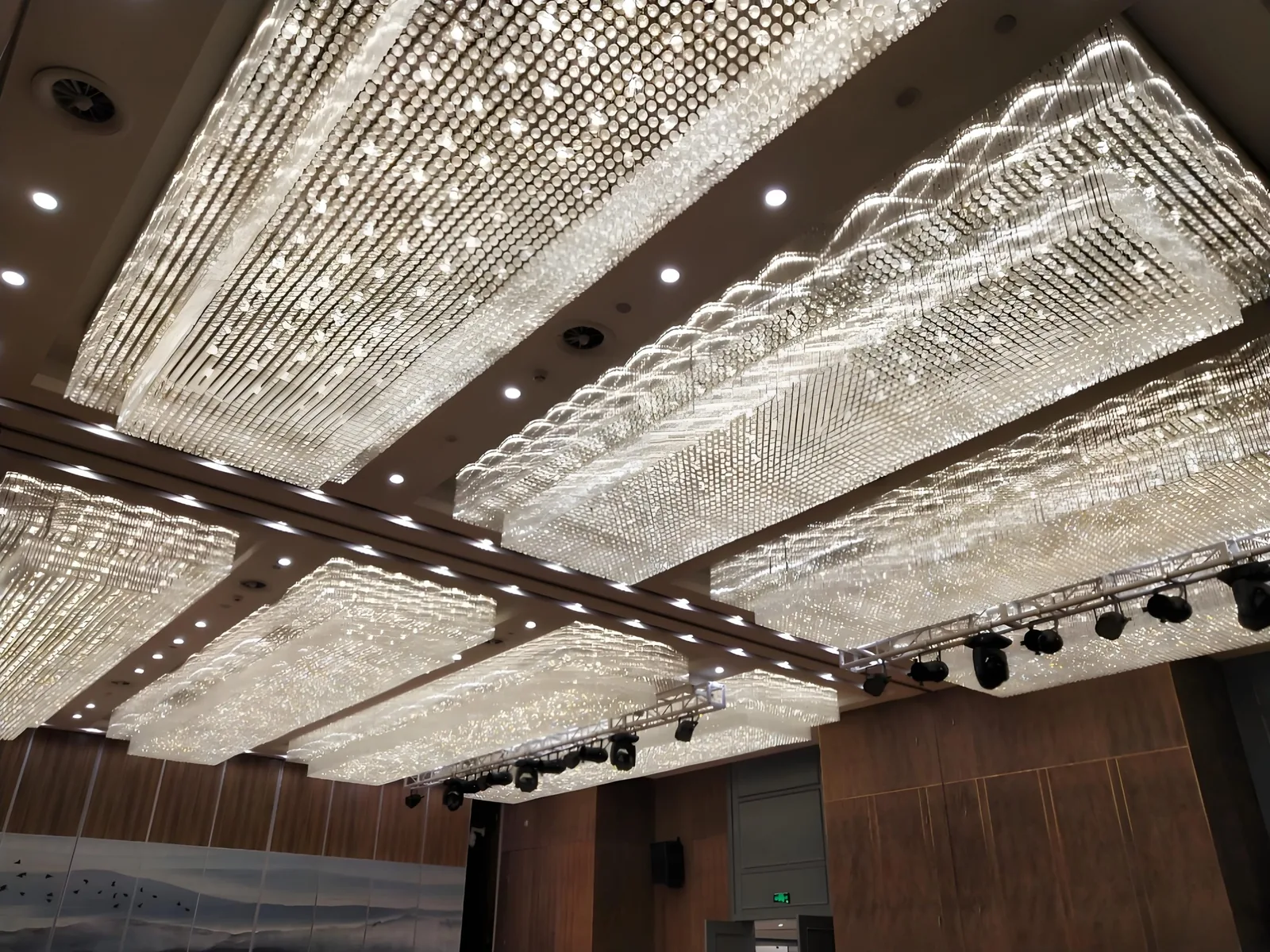
A pendant light is one of the most flexible fixtures you can install. It can define a kitchen island, frame a dining table, or add a soft glow to an entryway – and it does all of this without taking up floor space. This guide walks through the practical decisions: how big the pendant should be, how high to hang it, which style fits your room, and what to check before you buy.
Why Pendant Lights Work in Nearly Every Room
Unlike ceiling-mounted fixtures that spread light evenly across the whole room, a pendant light delivers light exactly where you need it. The shade directs the beam downward, creating a pool of illumination that suits task areas like countertops, desks, and dining tables. Because the fixture hangs at eye level or slightly above, it also adds a second visual layer to the room – something flat ceiling lights simply cannot do.
Pendants are equally at home in modern and traditional interiors. A single statement piece can anchor a hallway, while a row of three or four identical pendants creates rhythm above a long counter. If you already use a crystal chandelier in your formal dining room, pendant lights can carry the same decorative mood into the kitchen or breakfast nook with a lighter, more casual feel.
How to Size a Pendant Light Correctly
Getting the size right matters more than any other decision. A fixture that is too small looks lost; one that is too large overwhelms the space.
Width and Diameter
As a starting point, the shade’s diameter should be roughly one-half to two-thirds the width of the surface below it. For a standard dining table that is 90 cm wide, a pendant between 45 cm and 60 cm wide will feel balanced. Over a kitchen island, measure the island’s length instead: a common approach is to allow about 30 cm of shade width for every 100 cm of island length.
Hanging Height
Height is about comfort and line of sight. Above a dining table, the bottom of the shade typically sits 75-90 cm above the tabletop, so it never blocks conversation across the table. Above a kitchen island, 70-85 cm keeps the light close to the work surface while leaving room for taller appliances. In open stairwells or double-height entryways, pendants can hang much lower – the goal is simply to avoid blocking walking paths.
Choosing a Style and Finish
Materials That Last
Think about how the fixture will be cleaned and where it will live. Powder-coated metal is durable and easy to wipe down, which makes it a strong choice for kitchens. Glass shades – clear, smoked, or ribbed – give a crisp, elegant glow and work well over dining tables. Fabric drum shades soften the light and suit bedrooms and living areas where a warm, diffuse feel is preferred.
Matching Your Existing Decor
Match the finish to the hardware already in the room. Brass and gold tones pair naturally with warm wood and cream walls; matte black suits industrial and modern-minimalist rooms; brushed nickel and chrome read cooler and more contemporary. If your space features a crystal chandelier or other decorative fixtures, repeat one of their accent tones in the pendant to tie the room together.
Placement Ideas by Room
Kitchen Islands
Hang pendants in a row, spaced evenly above the island. For a 180 cm island, three smaller pendants usually look better than one oversized fixture, because the repeated shapes reinforce the line of the counter.
Dining Tables
Center the pendant over the middle of the table. A single large shade, a linear multi-light bar, or a cluster of two or three pendants at different heights all work – choose based on the table’s shape.
Entryways and Stairwells
Use a pendant with a clear or open shade in narrow spaces so the light travels further and the room feels larger.
Bedrooms and Reading Corners
A single small pendant beside the bed, hung at the right height, frees up nightstand space and gives you focused reading light without a lamp cord in the way.
Light Source and Dimmability
The bulb makes the final difference. Choose a warm color temperature (2700-3000 K) for living spaces and dining rooms, where a cozy glow is desirable. If the pendant hangs over a kitchen island or a desk, a slightly brighter neutral tone (3500-4000 K) keeps tasks comfortable. Dimmable pendants are worth the small extra cost: they let the same fixture serve as bright task lighting during the day and a soft ambient light in the evening.
Seasonal Flexibility
Pendant mounting points are also useful during the holidays. Many homeowners keep their everyday pendants in place and add christmas lights along shelves, mantels, or window frames for a festive accent – the warm glow of string lights blends naturally with the light from a pendant above. Because both share the same warm color range, the room stays visually cohesive even when the decorations come out.
Working with a Lighting Supplier
If you are buying in bulk – for a renovation project, a retail store, or a hotel fit-out – ask your supplier a few practical questions before ordering: whether the fixture is available in multiple finishes, what bulb base it uses, whether dimmable drivers can be fitted, and what the lead time is for larger quantities. A reliable supplier should also provide clear packaging details and installation instructions, and be able to send samples so you can check the finish and light quality in person before committing to a full order.
Final Thoughts
A pendant light is a small decision with a large visual payoff. Size it to the surface below, hang it at a comfortable height, and pick a finish that echoes the rest of the room – then choose a warm, dimmable light source and enjoy the result. Whether you are styling a kitchen island, a dining table, or an entryway, the right pendant will make the space feel finished.
Related Products and Categories
Pendant lights referenced in this guide:
- pendant light for luxury private rooms – statement pieces for suites and dining rooms
- luxury hotel lobby chandelier – large-format pendant and chandelier designs
- custom pendant lights – choose size, material and finish